
Poctli in bon appetit’s “Ceramic Cookware From Around the World”
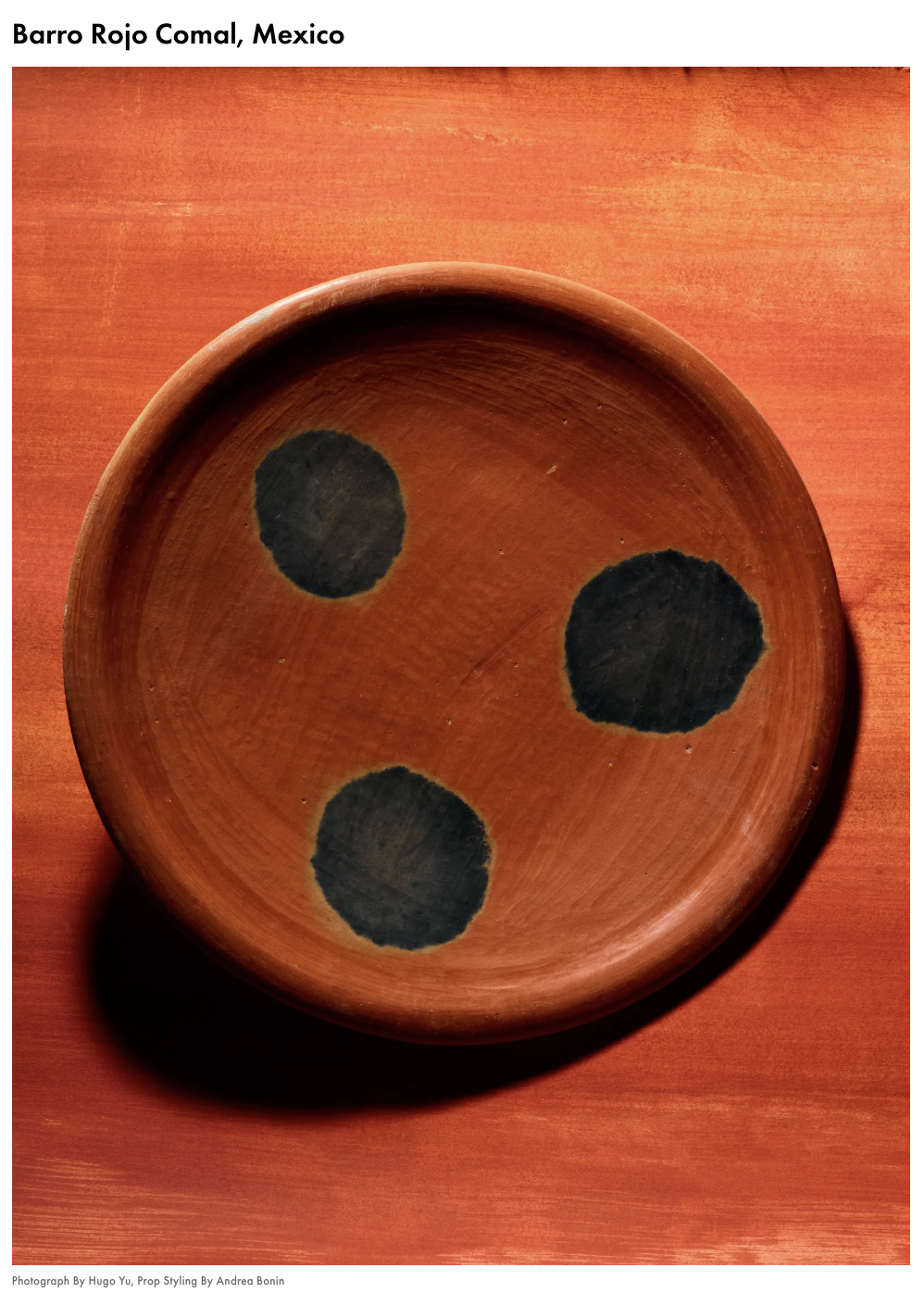
If you’ve been following our journey, you know that Poctli was born out of a deep love for Mexican heritage, the smoke of the kitchen (poctli means smoke in Nahuatl), and the incredible artisans who keep the tradition of clay cookware alive.
That’s why we are absolutely thrilled to announce that Poctli has been featured in Bon Appétit magazine!
Our handmade ceramics were highlighted in their recent piece, “Handmade Ceramic Cookware From Around the World,” where they explored the most iconic and functional clay traditions across the globe.
“When you cook on a comal and flip the tortilla, it brings me back. It reminds me of my grandma,” Baca says. The earthenware comals that he now imports from a community in San Marcos Tlapazola, Oaxaca, called mujeres de barro rojo (“women of the red clay”) are burnished but left unglazed so the clay’s bold natural sienna color remains the star. “I wanted to see if there were other Mexican Americans like me looking to get back to their roots through this ancestral way of cooking,” he says. “When I use a comal to roast the chiles, it makes the meal taste better—because of all the love I put into it.”

These comales come from the village of San Marcos de Tlapazola in Oaxaca, Mexico. Artisans create the unique black spots during the firing process, caused by the sticks and branches that are seared to the surface of the comal. The style is typical of Oaxaca, a strong red colored ceramic with spots or manchas. The sloped edges of the clay griddle are perfect for toasting chiles and spices for a Oaxacan mole. The hand of the maker can be seen in the surface of the comal and each piece is unique. The underside of the comal is porous for maximum heat distribution.
Can also be used as a gorgeous serving platter or plate.
Poctli recommends the comal be treated with cal before use.
The diameter is approximate, each comal is slightly different as they are handmade but will be as close as possible to the option chosen. Each comal will have small cracks, indentations or scratches in the surface and may contain small traces of mica in the ceramic
Handmade from lead-free clay
Can be used on stovetop or direct flame on an open hearth